The Gaucho Trail Pack Trip
Written by Sam Keck Scott
Photos by Joseph Haeberle
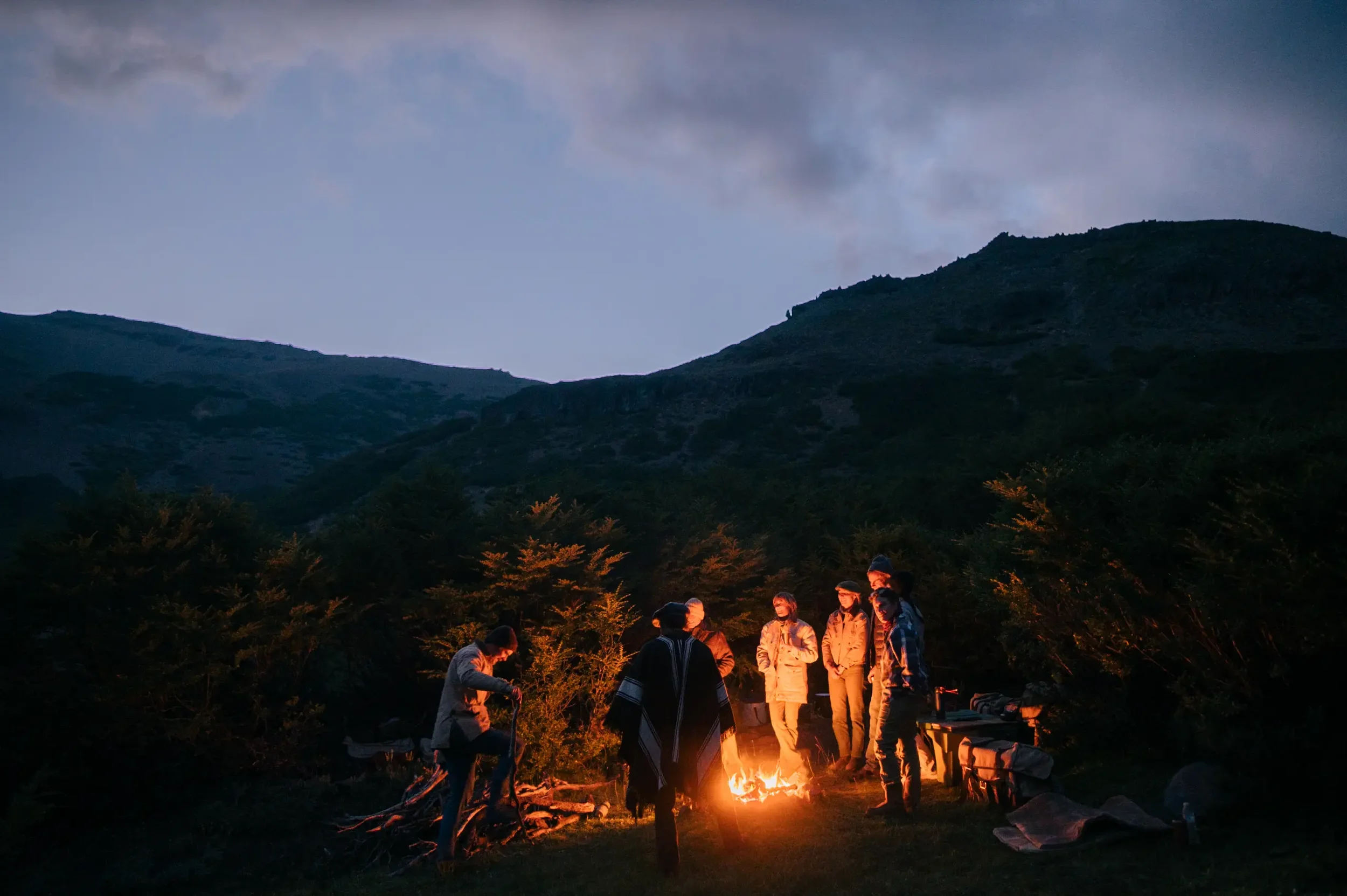
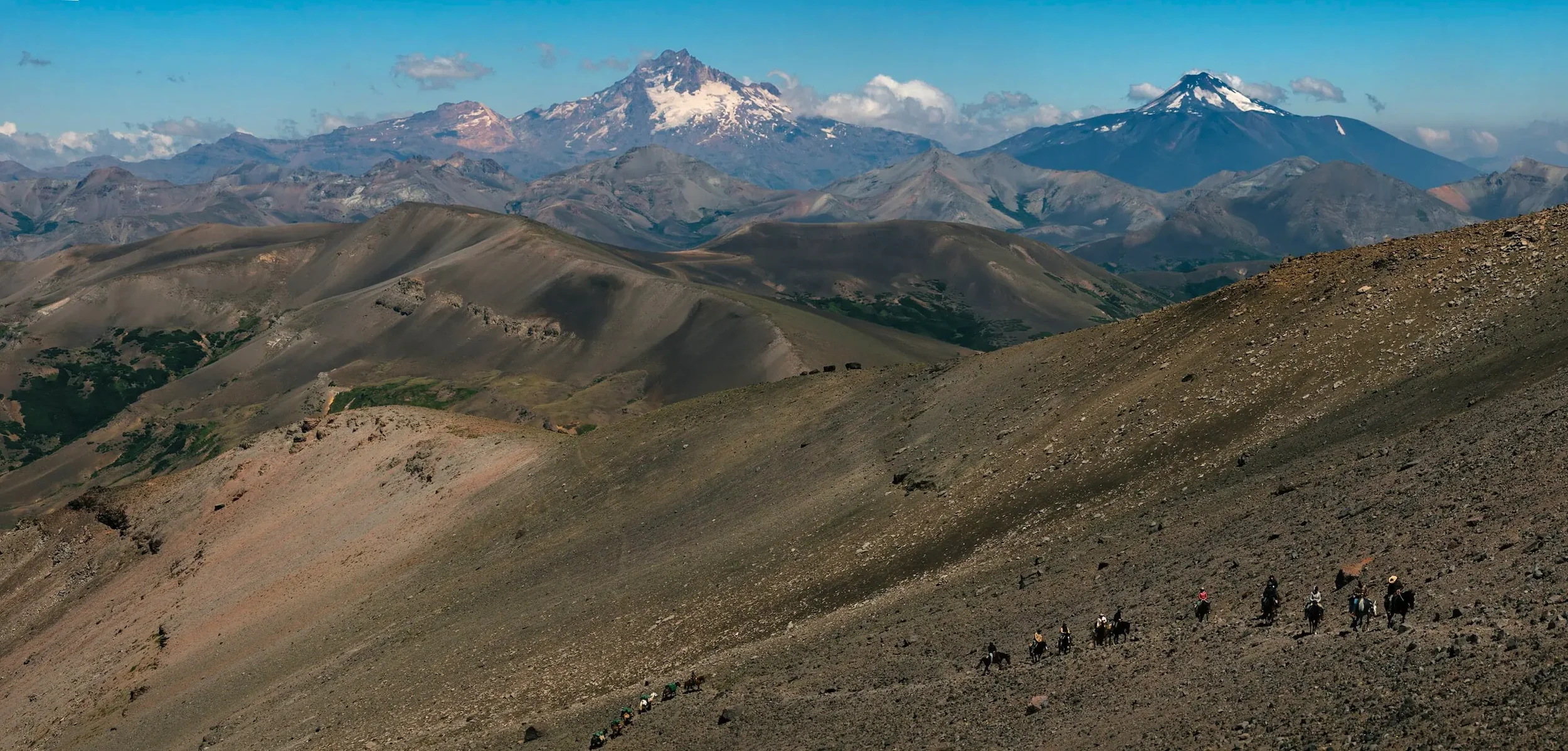
Riding up desolate river valleys, traversing rocky mountain passes, gawking into volcano-strewn Chile, sleeping beneath the southern stars, side-hilling on scree slopes, and dropping into alpine bowls carved by glaciers millennia ago, the Gaucho Trail Pack Trip is Estancia Ranquilco’s boldest and most adventurous offering – a six-day, five-night cirque on horseback through the most scenic and dramatic landscapes this 100,000-acre ranch has to offer. This is the sort of true adventure becoming harder and harder to find in our techno-addled world, and it only happens once a year.
As the host of the lodge at Ranquilco, I was lucky to get to join this grand adventure, because unlike most everyone else who lives and works here, I don’t have much horse-riding experience. But even while camping in one of the most remote places on the planet, someone needs to pour the wine and do the dishes and help people find the best spots to protect their tents from the famous Patagonian wind, so I was honored to get the nod.
This year’s trip had eight guests – four couples, each from a different country: Australia, Canada, the Netherlands, and a pair from the U.S. Little did we know when we were setting out that first morning as strangers that we’d feel like a family when we returned six days later.
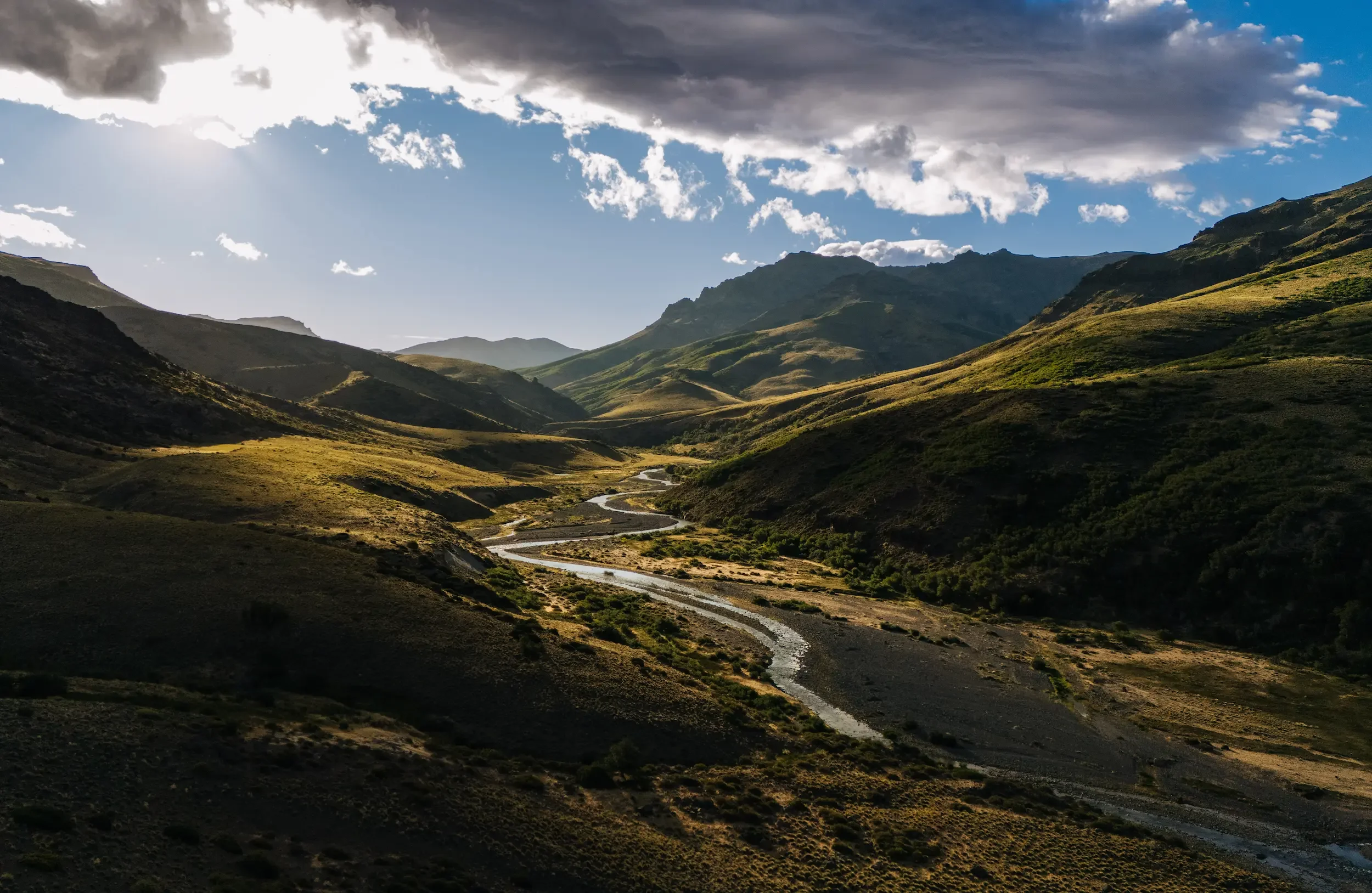
The first two days of the trip were long days in the saddle as we wound up the cobbled ribbon of the Picunleo River valley. The rain shadow determines the palette of this place, dominating it with yellows desperate to be green, and greens succumbing to yellow. A thirsty land, save for the Picunleo, which we never strayed far from, winding like daytime moonlight through the otherwise spiny, hardscrabble country.
Once or twice a day we’d pass a “puesto,” the thatched hut of a gaucho who spends their summers in the high country, often alone, herding animals. The sites of these puestos are astonishingly remote, and the creature comforts decidedly sparse, a stark reminder to those of us spending six days having a novel experience in the Patagonian cordillera that to some, this is a way of life. And whenever we saw a gaucho, whether at their puesto or on horseback, they never failed to be impeccably dressed, and all smiles, as if it were the most natural thing to have a train of sixteen people and twenty-one animals passing through their far-flung corner of the world.
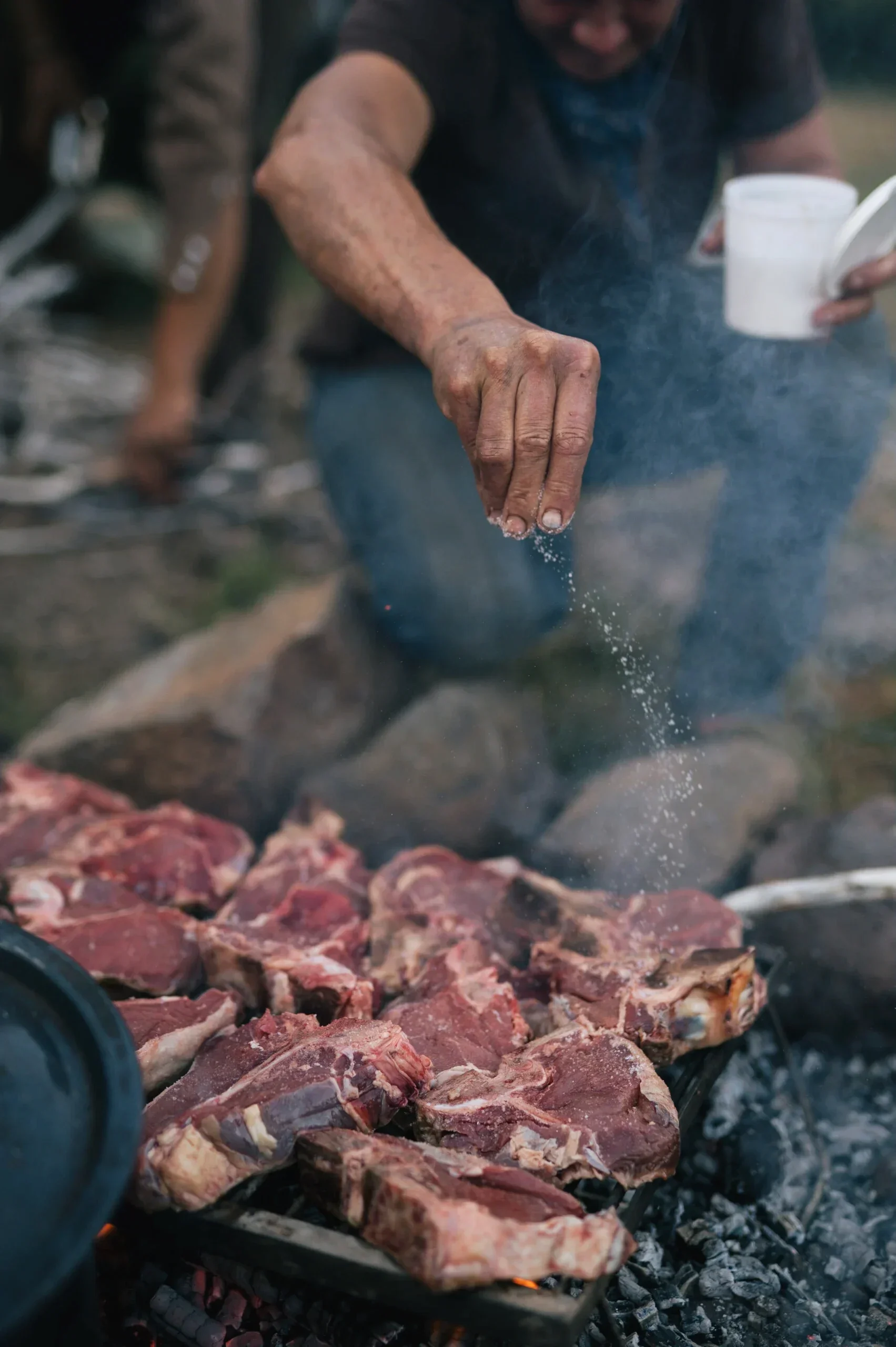
Ranquilco’s chef, Liz, came along and worked her seemingly effortless magic. In the time it took me to filter a few water bottles, a rainbow-colored lunch seemed to appear out of nowhere off the backs of mules and onto a camp table. Purple cabbage slaw, piles of herbed olives, beetroot hummus, plates of sliced salami and cheese, tuna salad, homemade bread and cookies, and by night: steaks over the fire, lamb souvlaki, camp potatoes, kale salads, and on and on it went. I’ve spent a lot of time in the wilderness and know that being in the middle of nowhere can make even bad food taste good, but never had I experienced the rarified combination of eating actual world-class cuisine while adding that spice of remoteness, and honestly, it nearly brought me to tears.
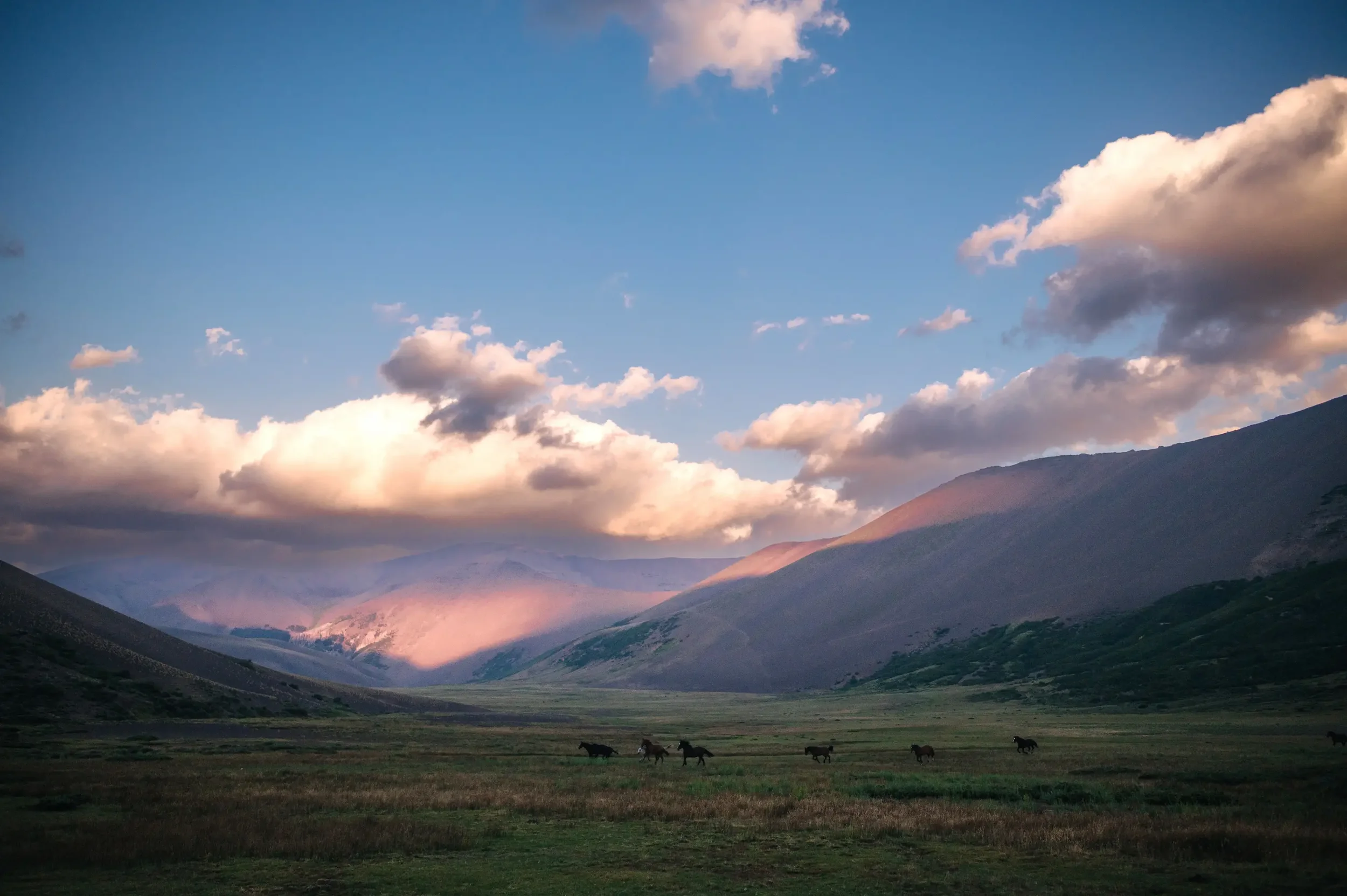
Days three and four of the trip are the literal peaks of the journey, both days featuring high mountain passes. In the mornings, as I stood looking up what appeared to be nearly vertical scree slopes, I found myself thinking: “no way you can take a horse up there”. But on the backs of our trusty Argentine criollos, all of whom had done this trip many times before, it was one foot in front of the other as each previously invisible and unimaginable twist and turn of the trail was revealed to us, and was in fact very safe and navigable, even for a novice like me. Not only were our horses ironclad, but our three horse guides -T.A., Anna Maria, and Ellie - were masterful at keeping us safe while also letting us feel confident and in control. The views on these days were oceanic in scale, stretching out in every direction with mountains and valleys and snow-capped volcanoes and red-topped cliffs above grey plugs of ancient, condensed ash from the long ago cataclysms which shaped this jumbled range.
The only tree species growing up there is locally known as “ñire”, which huddles in clumped “forests” that appear to be crouching and clinging for dear life to the steep mountainsides. Ñire is known to science as Nothofagus antarcticus, a member of the southern beech family, and it has evolved to live where other trees never could. Their stunted, bent sideways, crammed together forms tell a story about wind, as well as a story about a harsh winter that’s never far away on the spine of these lower Andes.
By the end of day four we had dropped into the Laguna Negra basin, a glacial trough where Ranquilco has their official backcountry basecamp: a small storeroom, a puesto, an outdoor sink that never stops flowing with cold clear spring water, a private pit toilet, and lots of good grazing for the horses – a veritable feast of amenities compared to the previous three nights. This was camp for the last two nights of the journey, giving us one day to relax and enjoy the main feature of this valley: the laguna itself. A large, cold, cobalt lake full of rainbow trout, and soon enough, four days’ worth of dust and grime from our bodies after we each took a much-needed swim.
For the final night of the trip, we purchased a lamb from puesto neighbor Don Claudio, a local gaucho who treated us to a traditional Argentine “asado a la cruz”, which entails roasting the entire animal on a cross over a bed of coals. The process takes hours and leaves everyone ravenous by the time the meat is cut off in sizzling chunks right onto your plate, or straight onto the torta frita (fry bread) in your hand. While we ate the delicious salty, crispy meat and drank malbec, our group of once-strangers from all over the world laughed and talked and reminisced about the past week – the parts that scared us, the views we would never forget, the things we were proud of each other for. Late into the night, our bright fire blazed below the cold fresco of the milky way, and no one wanted to go to sleep, because none of us wanted it to be over.